What Is Paid Search Advertising?
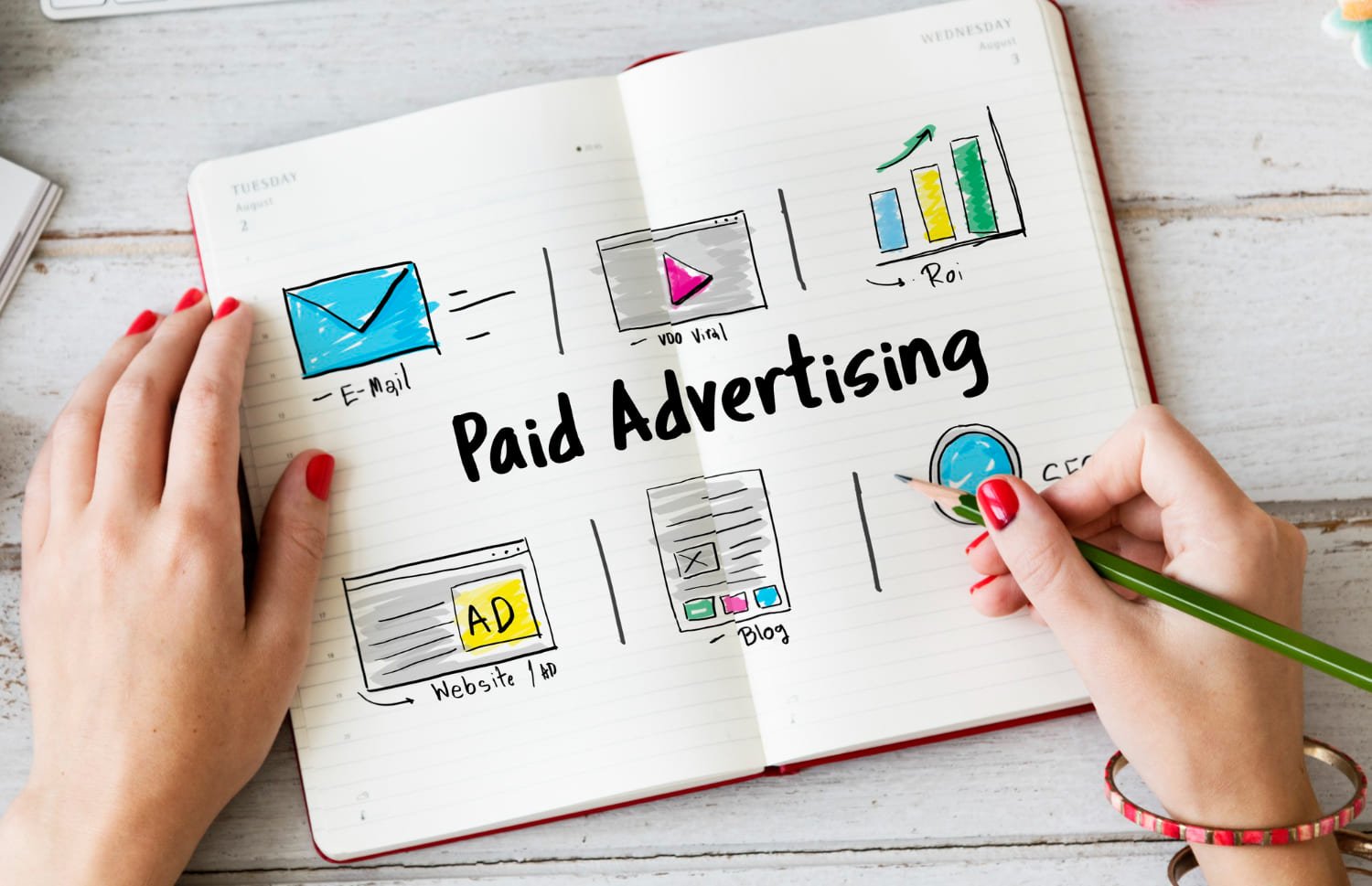
Paid search advertising is a form of online advertising where businesses pay search engines to display their ads prominently in search results for selected keywords. These ads typically appear at the top or bottom of the search engine results page and are labelled as sponsored content.
- What Is Paid Search Advertising?
- Why Paid Search Advertising Is Important
- How Paid Search Advertising Works
- What Determines Paid Search Ad Rankings?
- Paid Search Advertising vs Organic Search
- Types of Paid Search Advertising
- How to Set Up a Paid Search Advertising Campaign
- Benefits of Paid Search Advertising
- Paid Search Advertising Costs Explained
- Optimizing Paid Search Advertising Campaigns
- Common Challenges in Paid Search Advertising
- Paid Search Advertising Best Practices
- Paid Search Advertising and the Customer Journey
- Future of Paid Search Advertising
- Conclusion
The most common model used in paid search advertising is pay-per-click (PPC). In this model, advertisers are charged only when a user clicks on their ad, making it a cost-efficient and performance-driven marketing approach.
Paid search advertising focuses on user intent. Instead of showing ads to passive audiences, it targets people who are actively searching for solutions, products, or services—making it one of the highest-converting digital advertising channels.
Why Paid Search Advertising Is Important
Paid search advertising plays a critical role in modern digital marketing strategies for businesses of all sizes.
Immediate Visibility
Unlike organic search engine optimization, which can take months to generate results, paid search advertising delivers instant visibility. Ads can start appearing within hours of campaign activation.
High-Intent Traffic
Users clicking on paid search ads are already searching for something specific. This means higher conversion rates compared to many other forms of advertising.
Full Budget Control
Advertisers decide how much they want to spend per click, per day, or per campaign. You can pause, scale, or stop campaigns at any time.
Measurable Performance
Paid search advertising offers complete transparency. You can track impressions, clicks, conversions, cost per acquisition, and return on ad spend in real time.
Competitive Advantage
Even new or small businesses can compete with established brands by targeting the right keywords with high-quality ads and landing pages.
How Paid Search Advertising Works
Paid search advertising operates on an auction-based system. When a user enters a search query, search engines run an automated auction to determine which ads appear and in what order.
Step 1: Keyword Research
Advertisers select keywords that align with what their target audience is searching for. Keywords can be informational, transactional, or navigational, depending on campaign goals.
Step 2: Bidding
Advertisers place bids on selected keywords, indicating the maximum amount they are willing to pay for a click.
Step 3: Ad Creation
Ads are created using compelling headlines, descriptions, and calls to action that match user intent and keyword relevance.
Step 4: Ad Auction
When a search occurs, the platform evaluates all eligible ads based on bid amount and quality signals.
Step 5: Ad Placement
The highest-ranking ads appear at the top of the search results. Advertisers are charged only when users click on their ads.
What Determines Paid Search Ad Rankings?
Paid search advertising is not just about bidding the highest amount. Ad rank is calculated using multiple factors.
Bid Amount
This is the maximum amount an advertiser is willing to pay for a click. Higher bids can improve visibility, but do not guarantee top placement.
Quality Score
Quality score reflects how relevant and useful an ad is to users. It is influenced by expected click-through rate, keyword relevance, and landing page experience.
Ad Relevance
Ads that closely match the user’s search intent are favoured. Relevance reduces costs and improves performance.
Landing Page Experience
Fast loading times, mobile optimization, relevant content, and clear navigation all contribute to better rankings and lower costs.
Paid Search Advertising vs Organic Search
Paid search advertising and organic SEO are often compared, but they work best together.
| Paid Search Advertising | Organic SEO |
| Instant visibility | Long-term growth |
| Pay for each click | No direct cost per click |
| Immediate testing and optimization | Slower feedback loop |
| Full control over targeting | Limited control over rankings |
| Short-term scalability | Long-term authority |
Paid search advertising delivers fast results, while SEO builds sustainable traffic over time.
Types of Paid Search Advertising
It comes in multiple formats depending on goals and platforms.
Search Text Ads
Traditional text ads that appear on search engine results pages.
Shopping Ads
Product-based ads that include images, prices, and product names, commonly used by eCommerce brands.
Brand Search Ads
Ads that target branded keywords to protect brand visibility and prevent competitor hijacking.
Local Search Ads
Ads optimized for geographic searches, ideal for local businesses.
Call-Only Ads
Ads designed to drive phone calls instead of website visits.
How to Set Up a Paid Search Advertising Campaign
1. Define Campaign Goals
Decide whether your goal is traffic, leads, sales, app installs, or brand awareness.
2. Choose Target Locations
Select countries, cities, or regions where your ads will appear.
3. Conduct Keyword Research
Identify high-intent keywords with strong commercial value and manageable competition.
4. Select Keyword Match Types
Use exact, phrase, or broad match to control how closely ads match search queries.
5. Write High-Converting Ads
Create ads with strong headlines, benefits, social proof, and clear calls to action.
6. Set Budgets and Bids
Define daily budgets and maximum bids based on profitability and competition.
7. Launch and Monitor
Once live, monitor performance metrics closely and make adjustments based on data.
Benefits of Paid Search Advertising
- Drives instant traffic
- Targets ready-to-buy customers
- Offers complete budget flexibility
- Produces measurable and trackable results
- Supports rapid testing and optimization
- Works across devices and locations
- Scales easily with business growth
Paid Search Advertising Costs Explained
Costs vary depending on industry, competition, and keyword demand.
Common Cost Metrics:
- Cost per Click (CPC)
- Cost per Acquisition (CPA)
- Return on Ad Spend (ROAS)
- Daily and monthly ad spend
Highly competitive industries typically have higher CPCs, but better optimization can significantly reduce costs.
Optimizing Paid Search Advertising Campaigns
Use Negative Keywords
Exclude irrelevant search terms to reduce wasted spend.
Improve Ad Copy
Test multiple variations to improve click-through rates.
Optimize Landing Pages
Ensure landing pages are relevant, fast, and conversion-focused.
Monitor Search Terms
Identify new keyword opportunities and exclusions.
Adjust Bids Regularly
Increase bids for high-performing keywords and reduce spend on underperformers.
Common Challenges in Paid Search Advertising
Rising Costs
Increased competition can raise CPCs, requiring smarter optimization.
Click Fraud
Invalid clicks can drain budgets if not monitored.
Poor Conversion Rates
Misaligned keywords or weak landing pages can reduce ROI.
Over-Reliance on Automation
Automation helps but still requires human oversight.
Paid Search Advertising Best Practices
- Focus on intent-based keywords
- Align ads tightly with landing pages
- Track conversions accurately
- Test continuously
- Optimize for mobile users
- Combine paid search with SEO and content marketing
Paid Search Advertising and the Customer Journey
It supports every stage of the funnel:
- Awareness: Informational search ads
- Consideration: Comparison and feature-based keywords
- Decision: High-intent transactional keywords
- Retention: Brand and remarketing campaigns
Future of Paid Search Advertising
Paid search advertising continues to evolve with advancements in automation, machine learning, and AI-driven bidding. Voice search, visual search, and intent modelling are shaping how advertisers target users and optimize campaigns.
Businesses that focus on data quality, user experience, and strategic optimization will continue to benefit from paid search advertising in the long term.
Conclusion
It is one of the most effective digital marketing channels for driving immediate, high-intent traffic and measurable business results. By understanding how paid search advertising works, selecting the right keywords, creating compelling ads, optimizing landing pages, and monitoring performance metrics, businesses can achieve scalable growth and strong returns on investment.
When combined with organic SEO and other digital strategies, paid search advertising becomes a powerful engine for sustained online success.