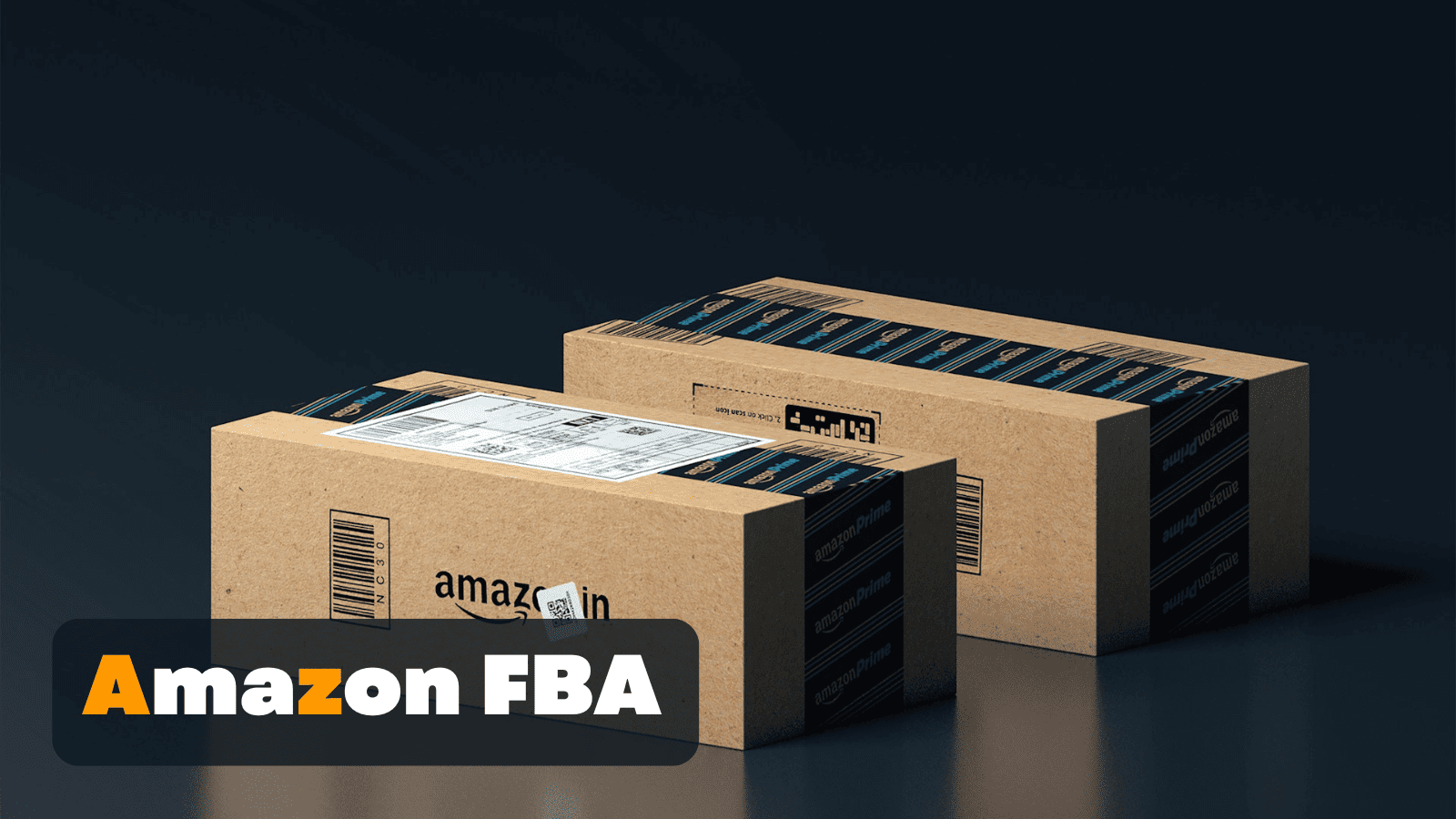
Amazon FBA stands for Fulfilment by Amazon, a service where Amazon handles storage, packing, shipping, and customer service for your products. Instead of managing logistics yourself, sellers send their products to Amazon warehouses, and Amazon takes care of the rest. This system allows entrepreneurs to focus on marketing, sourcing, and scaling their business.
- How to Start Amazon FBA
- FBA Eligibility and Requirements
- Costs Associated with Amazon FBA
- How Much Can You Earn on Amazon?
- Selling Without a Registered Business or Product
- FBA vs FBM: Which is Better?
- Common Challenges and Disadvantages of FBA
- Tips for Beginners
- Selling on Amazon from Pakistan
- Amazon Fees and Commissions
- Legal and Tax Considerations
- Most Profitable and Fast-Selling Products
- Scaling and Long-Term Success
- Alternatives and Complementary Platforms
- Conclusion
- FAQs on Amazon FBA
FBA simplifies online selling, making it easier to reach millions of Amazon customers worldwide. With benefits like Prime eligibility and faster shipping, it can significantly increase your sales potential.
How to Start Amazon FBA
Starting with Amazon FBA is straightforward but requires careful planning. Here’s a step-by-step overview:
- Create an Amazon Seller Account: You can start with an individual or professional account, depending on your budget and goals.
- Choose Your Products: Research trending, high-demand, and profitable items. Tools like Jungle Scout or Helium 10 can help.
- Set Up Inventory: Send products to Amazon fulfilment centres. Ensure compliance with Amazon’s packaging and labelling rules.
- List Your Products: Create detailed listings with optimized titles, bullet points, and high-quality images.
- Manage Pricing and Promotions: Adjust prices competitively and consider Amazon ads to boost visibility.
- Monitor Performance: Use Amazon Seller Central to track sales, inventory, and customer feedback.
You don’t necessarily need a registered business to start, but having one can provide benefits like tax deductions and credibility.
FBA Eligibility and Requirements
Amazon has specific eligibility criteria for FBA:
- You must have an active Amazon seller account.
- Products must comply with Amazon’s policies. Certain items, like alcohol, hazardous materials, and counterfeit goods, are prohibited.
- Proper labelling and packaging are required to ensure smooth warehouse processing.
For some regions, such as the UAE, sellers may need a trade license depending on local regulations.
Costs Associated with Amazon FBA
Amazon FBA is not free, and understanding the costs is crucial for profitability:
- Fulfilment Fees: Charges for picking, packing, and shipping items. Fees vary based on size and weight.
- Storage Fees: Monthly fees for storing products in Amazon warehouses.
- Subscription Fee: Professional accounts have a $39.99 monthly charge, while individual accounts pay per sale.
While FBA fees can seem high, the convenience, faster shipping, and Prime eligibility often offset these costs.
How Much Can You Earn on Amazon?
Earnings on Amazon vary widely based on product choice, marketing, and effort:
- Beginners can make $1,000 per month selling a few items.
- Experienced sellers with high-demand products can earn $10,000+ per month.
- Selling books or small items can scale gradually; some sellers reach $100,000 annually with the right strategy.
Profit margins typically range from 15% to 40% after fees, but optimizing product selection and pricing is key to higher returns.
Selling Without a Registered Business or Product
Amazon allows some flexibility for new sellers:
- You can sell without a registered business, though it may limit access to some features.
- Selling without your own product or brand is possible through private labelling or reselling wholesale items.
- Dropshipping can also work, but FBA is generally more scalable and reliable.
However, having a registered business or brand helps in scaling, building credibility, and managing taxes efficiently.
FBA vs FBM: Which is Better?
Amazon offers two main fulfilment models:
- FBA (Fulfilment by Amazon): Amazon handles logistics, returns, and customer service. Ideal for scaling and Prime eligibility.
- FBM (Fulfilment by Merchant): You handle storage, shipping, and returns. Better for low-volume sellers or specialized products.
Choosing between FBA and FBM depends on your resources, product type, and business goals. For beginners aiming to minimize logistics, FBA is usually recommended.
Common Challenges and Disadvantages of FBA
While FBA is convenient, there are challenges:
- Higher fees compared to self-fulfilment.
- Inventory management issues, including overstock or storage fees.
- Returns and customer complaints still affect seller performance.
- Competition is intense, and new sellers may struggle to rank in search results.
Understanding these limitations helps you avoid common pitfalls and plan your business strategically.
Tips for Beginners
To succeed with Amazon FBA as a beginner:
- Start Small: Consider starting with $500 to $1,000 to test products and understand the platform.
- Research Products: Focus on items with high demand and low competition. Trending items can include electronics, kitchen gadgets, or fitness products.
- Optimize Listings: Use SEO-friendly titles, descriptions, and backend keywords to improve discoverability.
- Learn from Mistakes: Monitor inventory, pricing, and customer feedback closely. Avoid underestimating shipping costs or overstocking.
Selling on Amazon from Pakistan
Sellers in Pakistan can start selling globally using Amazon FBA:
- Register an Amazon seller account.
- Source products locally or via wholesale suppliers.
- Use international shipping partners to send inventory to Amazon fulfilment centres.
- Consider tax obligations, currency conversion, and legal requirements.
With strategic planning, Pakistani sellers can successfully tap into international markets.
Amazon Fees and Commissions
Amazon’s revenue model involves several fees:
- Referral Fees: Typically 15% of each sale.
- FBA Fulfilment Fees: Vary by weight and dimensions.
- Monthly Subscription: $9.99–$39.99 depending on account type.
For example, on a $100 sale, Amazon may take approximately $15–$20 in referral and fulfilment fees.
Legal and Tax Considerations
- GST or VAT may be required depending on your location and turnover.
- Certain items, like prohibited or restricted products, cannot be sold.
- Documentation may include ID, bank account, tax details, and business license.
Even if turnover is below thresholds like 20 lakh in some countries, understanding tax obligations is crucial to avoid penalties.
Most Profitable and Fast-Selling Products
Profitability depends on demand, margin, and competition:
- Electronics, health supplements, beauty products, and gadgets often sell well.
- Books, home organization items, and kitchen tools are also in high demand.
- Fast-selling products usually include trending items and seasonal goods.
Analyzing product trends regularly helps maximize ROI.
Scaling and Long-Term Success
- Start with a manageable inventory to minimise risk.
- Consider expanding to multiple Amazon marketplaces.
- Diversify products to reduce dependency on a single category.
- Learn marketing strategies like Amazon ads and promotions.
Small businesses can thrive on Amazon, but persistence and smart decision-making are crucial. Many sellers quit due to a lack of planning or underestimating competition.
Alternatives and Complementary Platforms
- Dropshipping: Minimal inventory, but lower margins than FBA.
- Shopify integration: You can sell Shopify products on Amazon to expand reach.
- Other fulfilment options like third-party logistics (3PL) may suit specialized businesses.
Choosing the right approach depends on your goals, budget, and expertise.
Conclusion
Amazon FBA offers a robust platform for both beginners and seasoned entrepreneurs to build profitable businesses. With proper planning, product research, and effective use of Amazon’s fulfilment system, sellers can earn anywhere from a few hundred to tens of thousands of dollars per month. While challenges like fees, competition, and inventory management exist, the benefits of scalability, Prime eligibility, and international reach make Amazon FBA a preferred choice for many online sellers.
FAQs on Amazon FBA
Can I make money without selling products?
Yes, through affiliate marketing, Kindle publishing, or merchandising.
Do I need a warehouse?
No, FBA handles storage.
How much inventory is needed?
Minimum quantity depends on product and Amazon’s guidelines.
Is FBA good for small businesses?
Yes, it allows scalability without logistical hassles.
Common mistakes.
Poor product research, ignoring fees, and weak listing optimization.